Cessna Nose Gear Strut Assembly: Aircraft Landing Gear Support and Shock Absorption
Cessna Nose Gear Strut Assembly: Aircraft Landing Gear Support and Shock Absorption
Blog Article
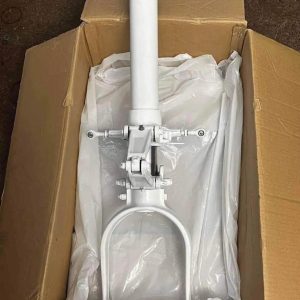
The Cessna Nose Gear Strut Assembly combines load support, controlled compression, wheel positioning, and steering-related functions within the aircraft’s complete landing-gear system.
The Cessna Nose Strut may provide shock absorption and structural support, but actual functions depend on the complete assembly and aircraft configuration.
Whether described as an Aircraft Nose Landing Gear Assembly or Cessna Shock Strut Assembly, the unit should be evaluated as part of the complete airframe and landing-gear system.
The Cessna Landing Gear Assembly functions as a coordinated system, while the Aircraft Landing Gear Strut should not be evaluated separately from its mounts, steering, wheel, tire, and surrounding structure.
Accurate product information supports responsible purchasing and reduces installation delays.
Identifying the Complete Nose Gear Component
Every dash number, suffix, revision, modification, and subcomponent marking should be recorded because similar-looking Cessna nose gear assemblies may not be interchangeable.
Included items may vary and can involve the strut body, piston, fork, axle, torque links, steering collar, seals, bearings, spacers, hardware, wheel, or tire.
Structural Support and Aircraft Load Management
Actual load distribution depends on aircraft weight, center of gravity, tire pressure, landing technique, surface condition, and aircraft configuration.
A replacement strut cannot correct damaged airframe attachment points or distorted landing-gear geometry by itself.
Maintaining Controlled Compression
A shock strut is designed to compress and extend in a controlled manner as the aircraft encounters landing and ground loads.
Incorrect pressure or fluid quantity can influence ground clearance, steering, ride quality, and structural loading.
Nose Wheel Steering and Directional Control
Each component should move smoothly and remain free from excessive play, binding, distortion, corrosion, and unsuitable modification.
The buyer should inspect torque links, attachment bolts, bushings, bearings, and pivot points for looseness or wear.
Matching the Strut to a Specific Cessna Aircraft
The buyer should compare the offered unit with current illustrated-parts, maintenance, and installation information.
Qualified applicability check here research supports responsible Cessna Replacement Nose Gear selection.
Checking Chrome and Machined Surfaces
Sliding and sealing surfaces must remain within acceptable condition because defects can damage seals and contribute to leakage or sticking.
Unauthorized grinding, plating, machining, or surface repair should be disclosed.
Seal Condition and Fluid Leakage
Fluid leakage around the piston, seals, fittings, plugs, or servicing points can indicate deteriorated seals, damaged surfaces, loose components, contamination, or incorrect assembly.
Seal grooves, backup rings, scrapers, and retaining components should be checked when the assembly is opened.
Identifying Surface and Hidden Corrosion
Corrosion may develop on external surfaces, inside bores, around fasteners, beneath paint, near mounting points, or within neglected fluid areas.
Fresh paint may improve appearance while concealing corrosion, filler, weld repairs, or damaged surfaces.
Crack, Bend, and Impact-Damage Inspection
Some defects may be difficult to identify without cleaning, magnification, dimensional comparison, or suitable nondestructive inspection.
The seller should disclose the donor aircraft’s removal reason and known incident history.
Wheel Fork, Axle, and Nose Wheel Components
Clear package information helps buyers estimate the complete repair cost.
Professional assembly supports dependable Cessna Nose Wheel Strut performance.
Preventing Nose Gear Shimmy
Excessive play can contribute to wheel misalignment, vibration, shimmy, and accelerated component wear.
System-level maintenance protects the Aircraft Nose Landing Gear Assembly.
Evaluating Wheel Alignment and Steering Play
Nose-wheel shimmy can result from worn bushings, loose torque links, tire imbalance, wheel-bearing play, incorrect tire pressure, steering looseness, alignment issues, or structural wear.
Tire condition should be reviewed together with the strut, wheel, fork, axle, and steering components.
Fluid and Pressure Maintenance
Values from another Cessna model should not be applied without verification.
Pressurized components require suitable precautions because uncontrolled release can cause injury or damage.
Evaluating Internal and External Components
The exact scope should be defined in the work records rather than assumed from the word overhauled.
Some components may be repairable while others require replacement.
Evaluating a Used Landing Gear Component
The buyer should obtain enough information for a qualified aviation maintenance professional to evaluate the assembly.
- Request detailed photographs of the cylinder, piston, chrome surface, fork, axle, mounting areas, torque links, steering collar, bushings, seals, data markings, and included components.
- Do not treat clean paint, smooth movement, or a removed-serviceable statement as proof of current installation eligibility.
- Inspect and photograph the assembly immediately after delivery before cleaning, servicing, disassembling, repairing, painting, or installing it.
Preventing Damage to the Piston and Fork
Professional packaging helps preserve the condition of the Aircraft Nose Gear Strut.
Pre-shipment photographs can document condition, included parts, and packaging before collection.
Preparing a Stored Assembly for Service
The piston surface should remain covered without using materials that promote corrosion or seal deterioration.
A stored assembly should not be installed solely because it was previously considered serviceable.
Installing the Cessna Front Landing Gear Assembly
Installation should be completed by appropriately qualified aviation maintenance personnel using applicable Cessna airframe, landing-gear, steering, and component information.
The strut should align correctly with the aircraft structure, steering system, wheel, fork, and torque links without binding or abnormal side loading.
Authorized personnel should complete applicable maintenance records and return-to-service actions.
Caring for the Strut, Fork, and Steering System
Cleaning should remove dirt and contaminants without damaging seals, polished surfaces, protective coatings, or identification markings.
Pilots and operators should report steering changes, unusual compression, leakage, vibration, or tire wear promptly.
Evaluating Used Aircraft Gear Pricing
Assemblies with clear photographs, complete records, transparent removal history, and identified components are easier for professional buyers to assess.
Buyers should compare complete and documented packages rather than price alone.
Buying a Replacement Cessna Front Gear Assembly
The Cessna Nose Gear Strut Assembly can provide valuable replacement, restoration, overhaul, maintenance, inventory, or resale potential when its identity, configuration, condition, completeness, and aircraft applicability are verified.
The strongest purchasing decision begins with confirming the exact Cessna part number, dash number, aircraft model, serial-range applicability, strut configuration, dimensions, mounting points, steering system, fork, axle, bushings, seals, corrosion status, repair history, and documentation.
Whether maintenance teams are sourcing a Cessna Steering Strut Assembly, Cessna Replacement Nose Gear, or General Aviation Landing Gear Parts, professional inspection and installation should precede operational use.
With prompt attention to leakage, scoring, corrosion, shimmy, tire wear, loose bushings, steering play, impact events, and abnormal compression, the installation can preserve its operating potential.
Report this page